The Square
Ironbridge
Tontine Hill
Ironbridge
Waterloo Street
Ironbridge
32A High Street (Chip shop) — building history
Ironbridge
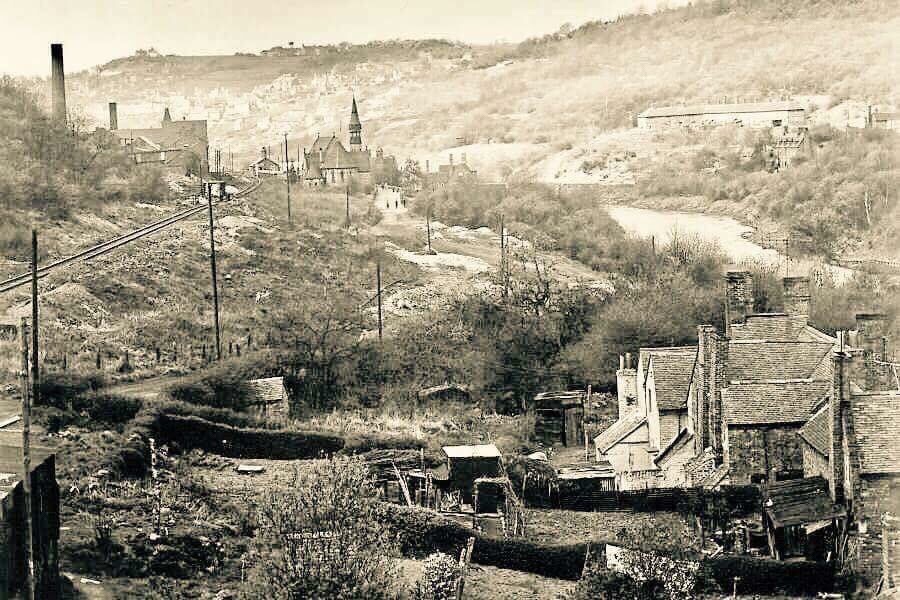
Jackfield Landslip
Jackfield
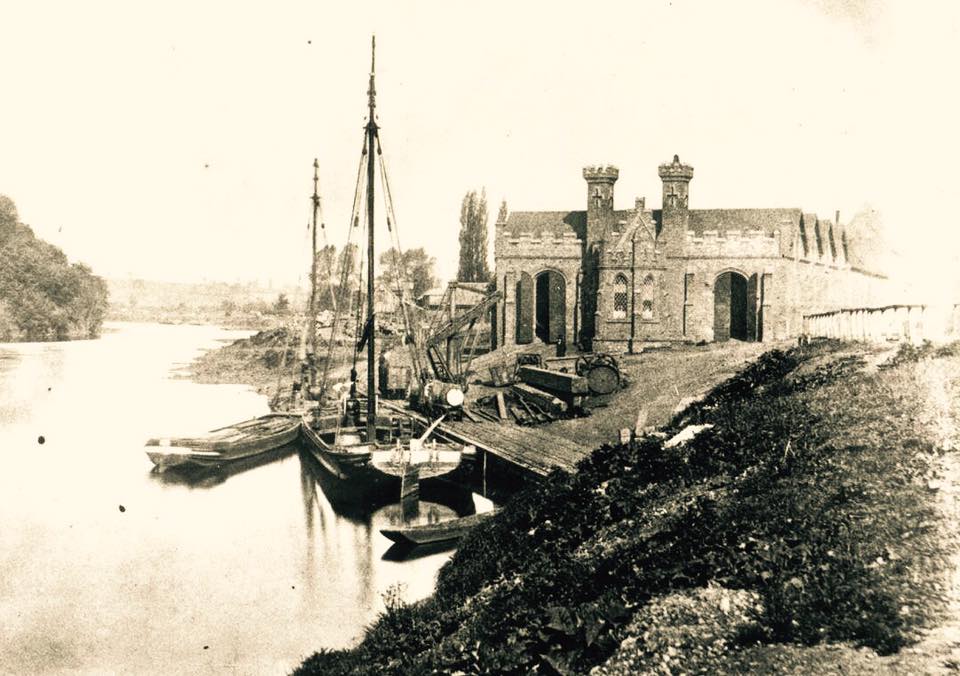
Museum of the Gorge
Ironbridge
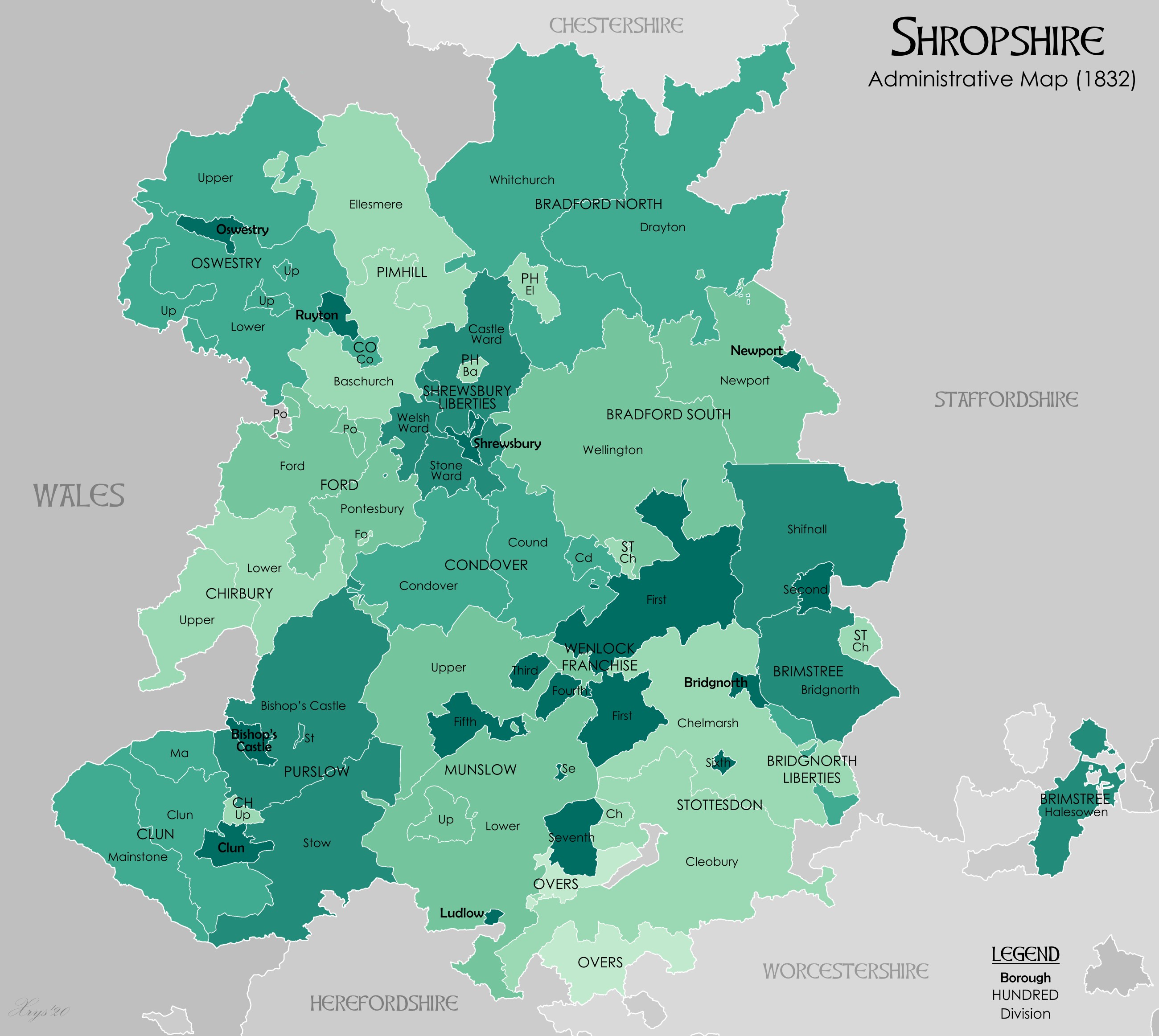
Names of the Gorge
Names of the Gorge
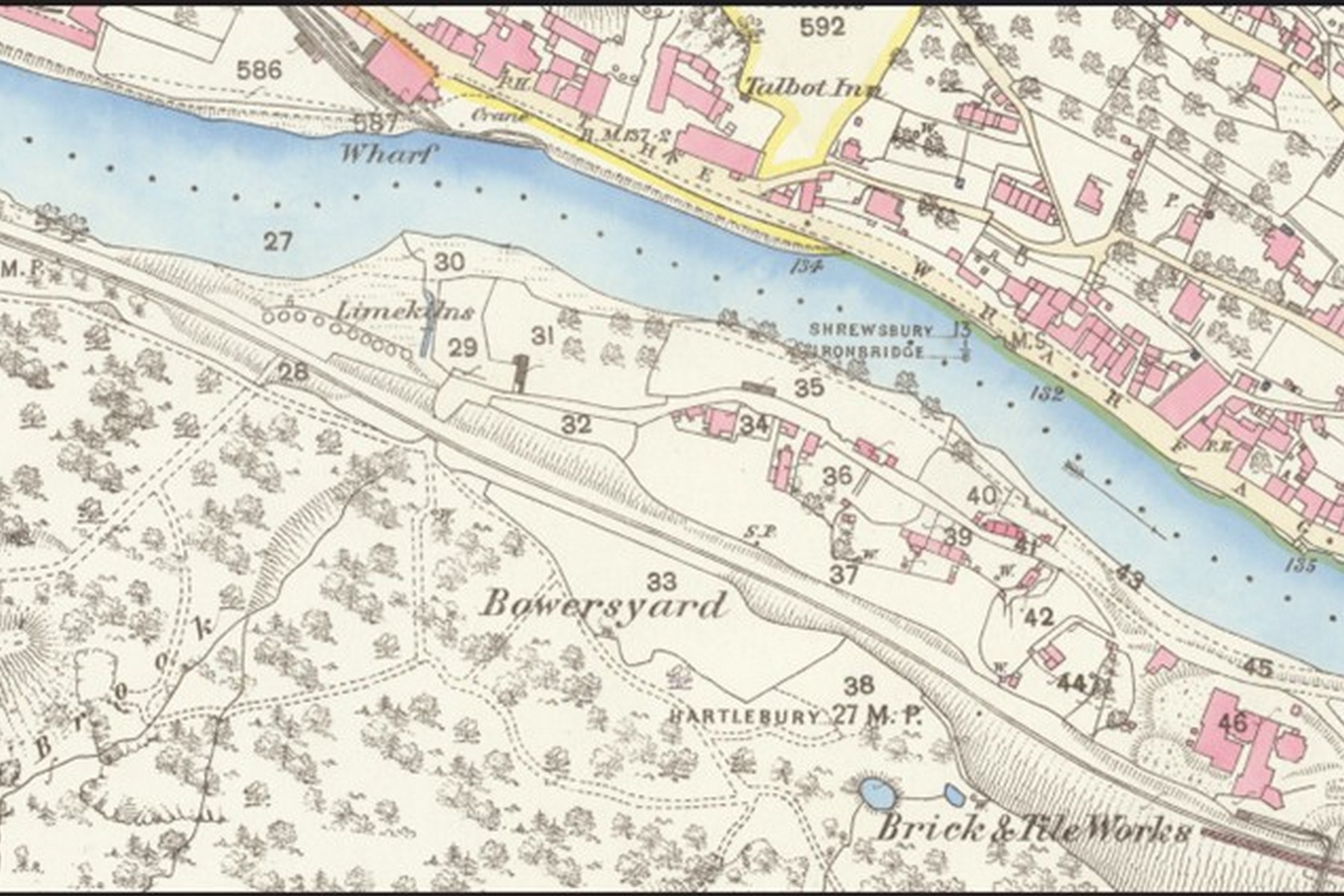
Bower Yard: Riverside Industry & Community
Ironbridge
Images in this collection
Click any photograph to open it full screen, zoom in and read the full caption.
Cottages below the Albert Edward Bridge
About 1910
Riverside cottages at Coalbrookdale huddle in the shadow of the Albert Edward railway bridge in this colourised postcard from around 1910. These modest homes have since been demolished, and this image is now one of the few visual records of a community that once lived and worked in the very shadow of Coalbrookdale's great ironworks.
Colourised postcard
Rowing boats below the Iron Bridge
Early 1900s
Pleasure boats are drawn up on the shingle beneath the world-famous Iron Bridge in this sepia postcard from the early 1900s. Even decades after the bridge opened in 1781, the riverbank beneath it remained working ground for boatmen and traders, a detail easily missed beneath the more famous structure looming above.
Sepia postcard
A trow moored at Ironbridge
Late 19th century
A Severn trow — the broad, flat-bottomed sailing barge that carried the river trade — lies moored close to the Iron Bridge in this late Victorian photograph. Long before tourists came to admire the bridge itself, the Severn below it was a genuine working highway, carrying coal, iron and pottery to markets far beyond the Gorge.
Archive photograph, photographer unknown
The Wharfage and the Iron Bridge
Late 19th century
Looking along the Wharfage toward the Iron Bridge in this late Victorian view, a barge sits moored hard against the wharf wall, where goods were once loaded straight from the riverside warehouses. It's a scene of unglamorous, everyday commerce, taking place in full view of what would become one of Britain's most photographed landmarks.
Archive photograph, photographer unknown
The Wharfage, colourised
Late 19th century
This colourised version of the riverfront, taken in the late 19th century, shows the Tontine Hotel and the Iron Bridge closing off the far end of the street. The tinting brings out details easy to miss in black and white, including the muted brickwork that still lines the Wharfage largely unchanged today.
Colourised archive photograph
Madeley Wood, looking along the bank
Early 1900s
This wide early 1900s panorama sweeps across Madeley Wood, taking in the Bird in Hand bank to the right, the Blockhouse pub in the foreground and Beeches Hospital on the skyline. Behind the wall sits a terrace once nicknamed Gawpers, or Gawbeys, opposite the George — a scrap of local slang that has otherwise vanished entirely from memory.
Sepia panorama, photographer unknown
New Bridge Road, with the pubs marked
Early 20th century
A previous owner has carefully annotated this early 20th-century panorama of New Bridge Road, marking out the garage, the Blockhouse pub and the Bird in Hand. Such hand-written labels are small treasures for historians, fixing exact locations that would otherwise be guesswork from the photograph alone.
Annotated archive photograph
The Blockhouse Inn
Late 19th century
James Potts' name is proudly displayed over the door of the Blockhouse Inn in this late Victorian photograph, with landlord, family and regulars all gathered outside for the camera. Group portraits like this, staged specially for a visiting photographer, were often the only occasion an ordinary pub and its community were ever formally recorded.
Archive photograph, photographer unknown
Ferry boat before the timber-framed cottages
Late 19th century
A ferry boat waits at the bank in front of a row of timber-framed cottages in this late Victorian photograph — a building style now almost entirely lost from the Gorge. Fire, flood and redevelopment claimed most such cottages long ago, making this quiet, workaday image an unexpectedly rare architectural record.
Archive photograph, photographer unknown
Ferry at the riverbank
Early 1900s
Though grainy, this early 1900s photograph is a valuable record of a ferry boat moored at the bank, with cottages stacked up the slope behind it. The steepness of the terrain here explains why so many Gorge communities relied on the river, rather than the road, to move between neighbourhoods.
Archive photograph, photographer unknown
Tuckies, with the Duke of Wellington and the Boat Inn
Early 20th century
Careful annotations on this early 20th-century photograph identify the Duke of Wellington and the Boat Inn, two pubs that between them served ferry passengers, tileworks labourers and towpath travellers passing through Tuckies. Having two competing pubs so close together says much about how much foot traffic this small crossing point once carried.
Annotated archive photograph