Jackfield
The Maws factory history
One Valley, Many Legacies
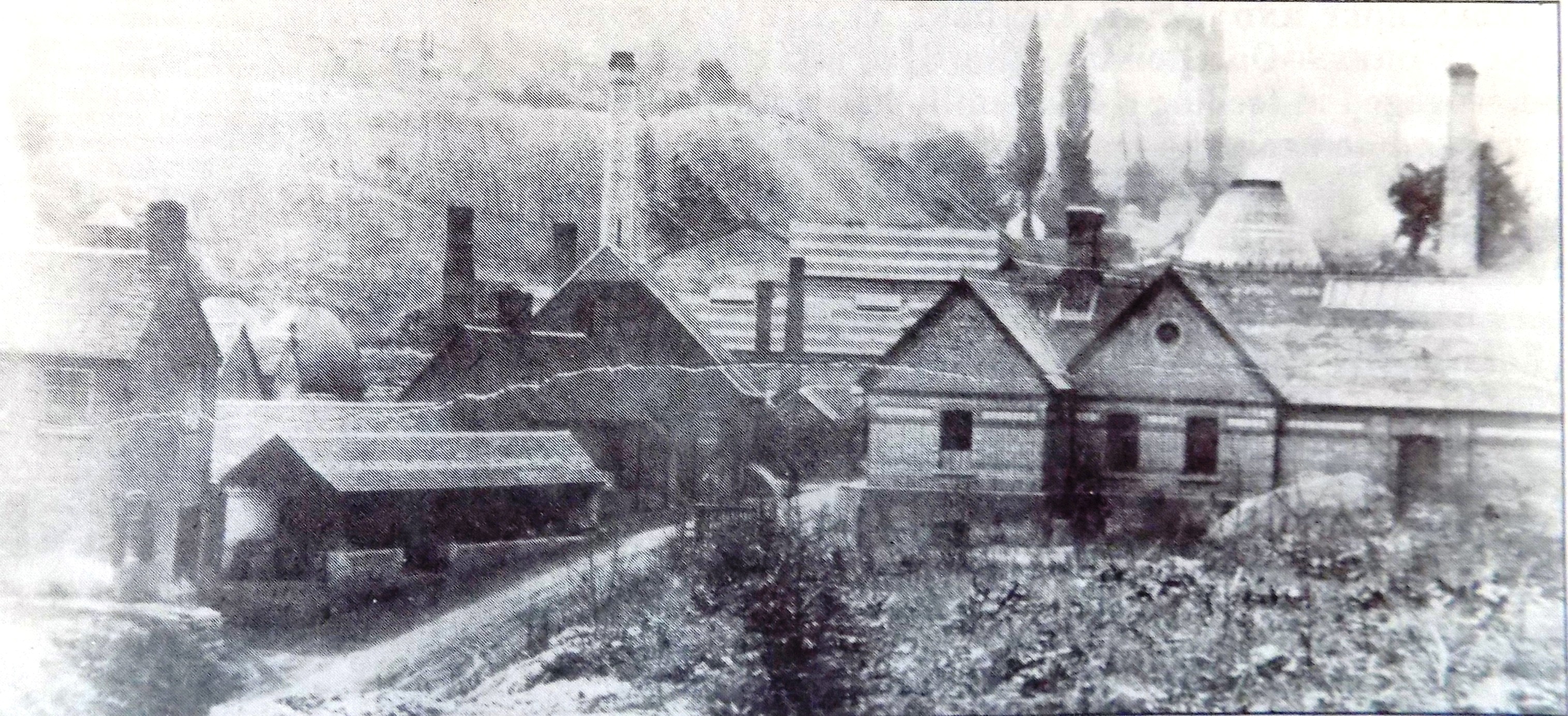
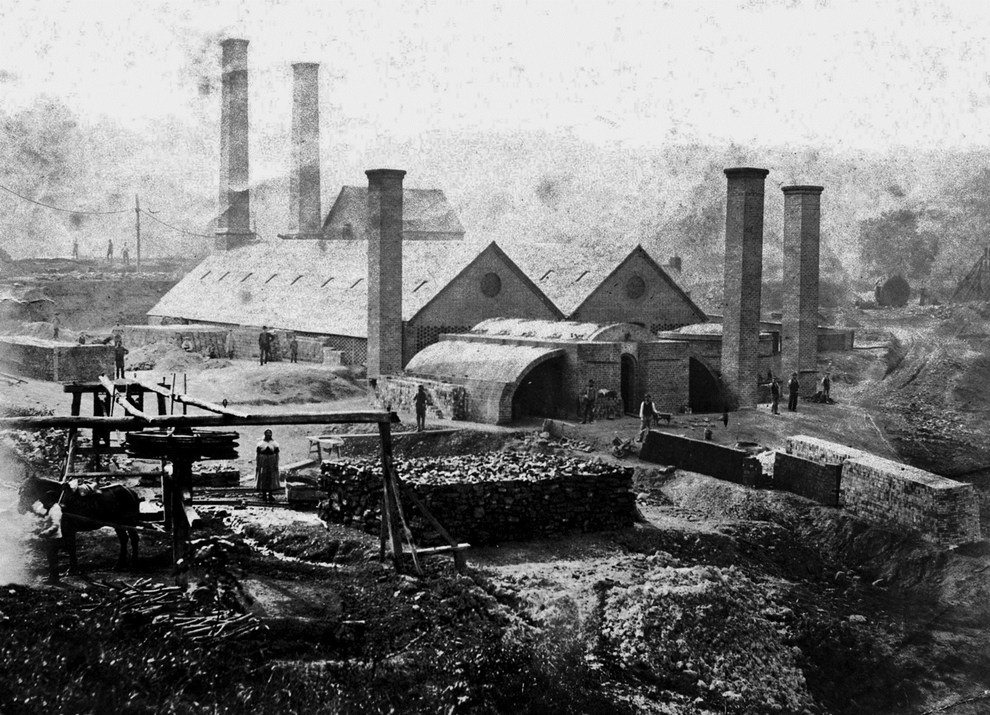
Walk along the Severn at Jackfield and you're treading on the bones of the British tile industry. In the late 19th century, within little more than a mile of riverbank, five great names shaped, glazed and fired their way into history — Maw & Co, Craven Dunnill, Milburgh, Wallace, and Exley's. Their chimneys once blurred the skyline; their tiles still glow in churches, schools, and front rooms across the world.
A Valley Built from Clay and Coal
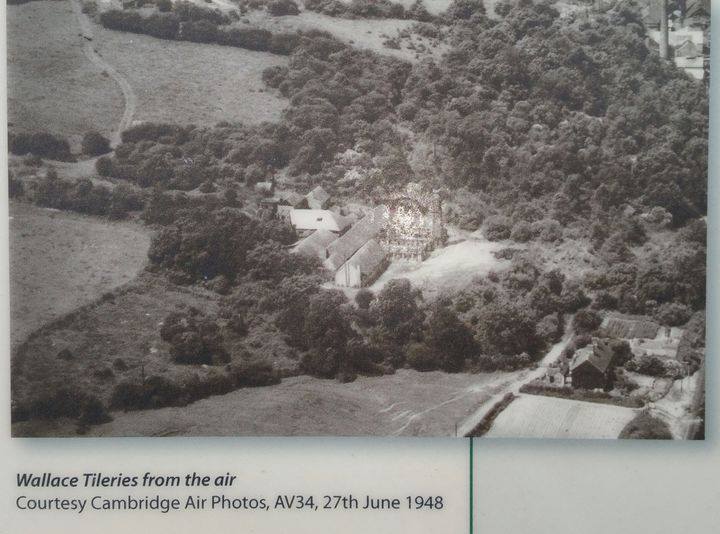
Jackfield offered everything: the Broseley and Benthall clays, coal seams close to the surface, the River Severn for shipping — later joined by the GWR. Each works found its niche. Maw & Co created the masterpieces — encaustic floors, hand-painted majolica, mosaics, relief tiles. Craven Dunnill specialised in decorative wall and floor tiles. Milburgh (Prestage family, 1870) focused on roof and industrial tiles. Wallace made plain wall and roof tiles for post-war building. Exley's in Broseley Wood produced ridge tiles and paving slabs.
Maw & Co — From Clay to Craft
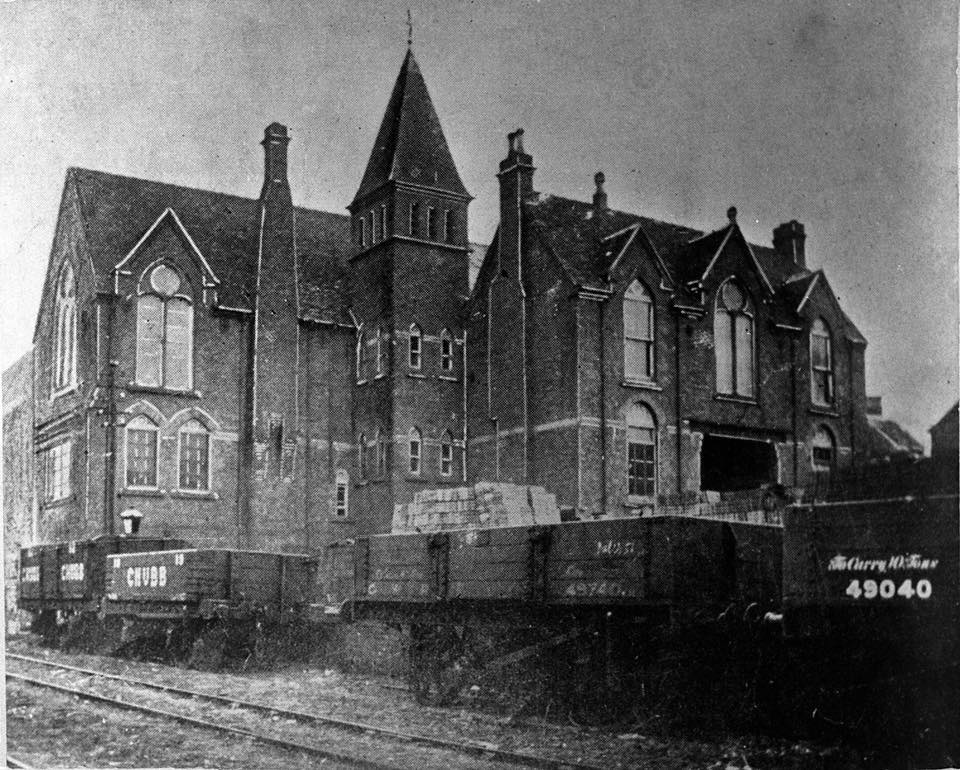
The Maw story began in Worcester in 1850, when John Hornby Maw and his sons George and Arthur started making decorative tiles. By 1852 the whole operation had moved to Benthall. In 1883 they built a new five-acre factory on the riverbank at Jackfield, designed by architect Charles Lynam. The factory entry archway still reads in tilework: "Maw & Co. Benthall Works — Worcester 1850 — Benthall 1852 — Rebuilt 1883."
Lynam's design worked like clockwork: offices and showrooms at the front feeding a private railway siding; long manufacturing ranges along the riverside; a pressing shop nearly 100 feet long; two-storey drying stoves heated by exhaust steam; painting and printing shops above. The site had its own gasworks and clay pits. At its height it employed over 400 people and produced more than 20 million tiles a year — making it the largest tileworks in the world.
Tiles for the World
Working with artists such as Walter Crane, Maw produced richly decorated art pottery — mythic figures, birds, serpents in flowing red and gold lustres. Their whimsical "Alice in Wonderland" tiles brought fantasy into the tiled nursery. Architectural tiles still line the frontage of M. Davis, Butcher in Broseley. Inside the Jackfield Tile Museum, the iconic "Floreat Salopia" roundel — Latin for "May Shropshire Flourish" — glows with red and cream tesserae.
Family and Community
During the First World War, 149 employees left to serve. In August 1920 Lord and Lady Forester unveiled the Maw & Co. Roll of Honour in the office stair hall — three panels of cream and green encaustic tile listing 126 who returned and 19 who did not. Maw's private railway siding opened in 1877, extended in 1883, and was busy well into the 1950s; the last recorded goods trains served the siding in 1959.
The Final Firing
Maws merged with the Campbell Tile Co. in 1961. The final working day was 31 December 1969; the factory officially closed January 1970. Between 1974 and 1977 more than two-thirds of the site was demolished, leaving only the long courtyard block that stands today.
The Phoenix Years
In the early 1980s the Telford Development Corporation launched a rescue. Over four years (1981–85), hundreds of workers trained here in heritage skills, converting the surviving ranges into 30 workshops and 12 maisonettes — the largest MSC project in the West Midlands. When the TDC wound down, a group of tenants bought the site in 1988, forming Maws Craft Centre (Jackfield) Ltd, who have owned and managed it ever since.
More Gorge history
Read another story
Stay in the loop
More stories from the Gorge, straight to your inbox
A short weekly email with new history features, archive photographs and what's on across the Gorge.