Coalport
Coalport Canal
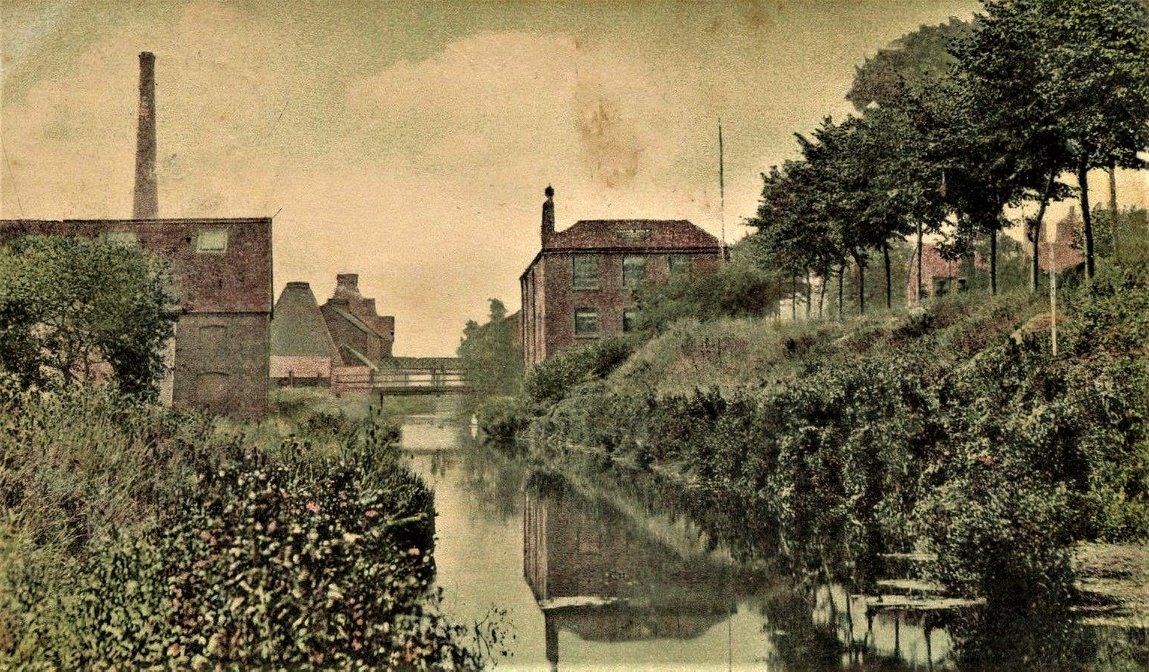
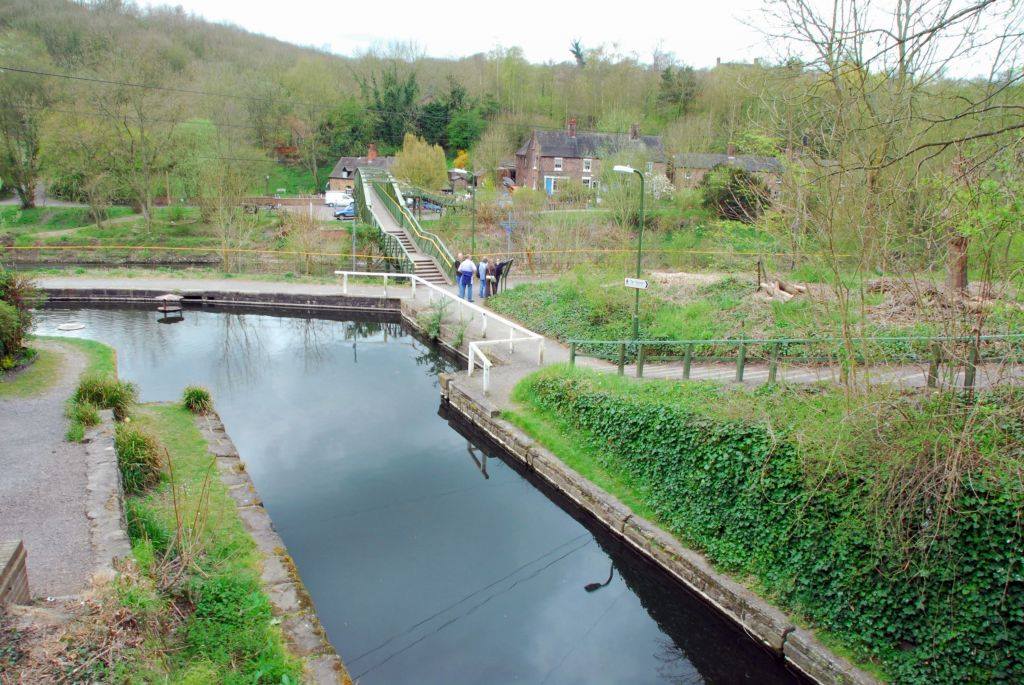
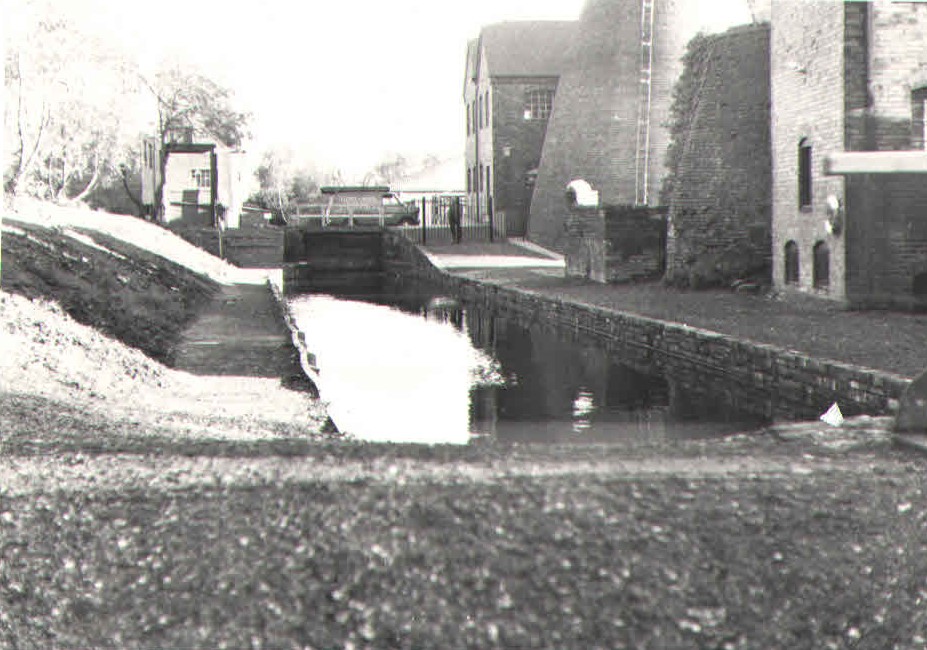
In the curve of the Ironbridge Gorge, a narrow strip of water glides past the Coalport China Museum. Today it feels timeless, but this calm half-mile once throbbed with industry — the last, vital link between Shropshire's furnaces and the wider world.
A Vision Carved from Clay and Iron
The canal owes its existence to William Reynolds, the 18th-century ironmaster who planned a waterway using inclined planes instead of traditional locks. A public competition in 1788 offered a prize for the best design. Henry Williams and James Loudon won with their water-powered boat cradles. Construction began that year, and by 1792 the Shropshire Canal stretched from Donnington Wood through Stirchley and Blists Hill to the Severn at Coalport. The final riverside reach became the Coalport Canal.
Where River and Industry Met
At its lower end, the canal met the Severn beside what is now the museum. A lock was built but proved short-lived — the canal's tub boats were too unstable for the Severn's fast current, while broad Severn trows were far too wide for the canal. The lock was soon filled in and replaced by wharves and warehouses.
Raw materials from the Shropshire plateau met the river trade to Bristol and London. Coal, clay, and iron arrived by canal; porcelain left in straw-lined crates from the Coalport China Works, founded around 1795. Towering above it all was the Hay Inclined Plane — a steep twin-tracked slope dropping 207 feet to the river.
Boom, Bust, and Quiet Water
For half a century the Coalport Canal thrived; engineers from across Europe came to study its inclined planes. By the mid-1800s steam railways were overtaking waterways. In 1849, the Shropshire Union Railways and Canal Company leased the network; by 1857, ownership had passed to the London and North Western Railway. The Coalport stretch worked on, carrying coal to the Blists Hill Furnaces until 1912, handling more than 29,000 tons of coal annually in its final years. Officially abandoned in 1944.
Rebirth in Reflection
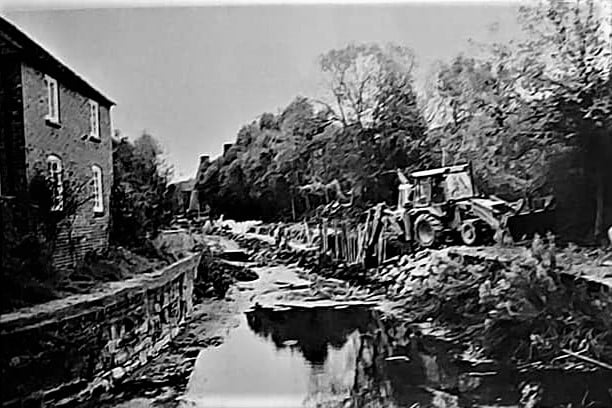
By the 1960s the canal was overgrown. The Dawley Development Corporation began to rescue the Gorge's industrial past. The Hay Inclined Plane was restored in 1968, rails relaid in 1975. Between 1974 and 1976, the Coalport Canal was drained, repuddled with clay, and re-watered. The Coalport China Museum opened along its banks. Today the canal is part of the South Telford Heritage Trail.
More Gorge history
Read another story
Stay in the loop
More stories from the Gorge, straight to your inbox
A short weekly email with new history features, archive photographs and what's on across the Gorge.