Coalport
The Hay Inclined Plane
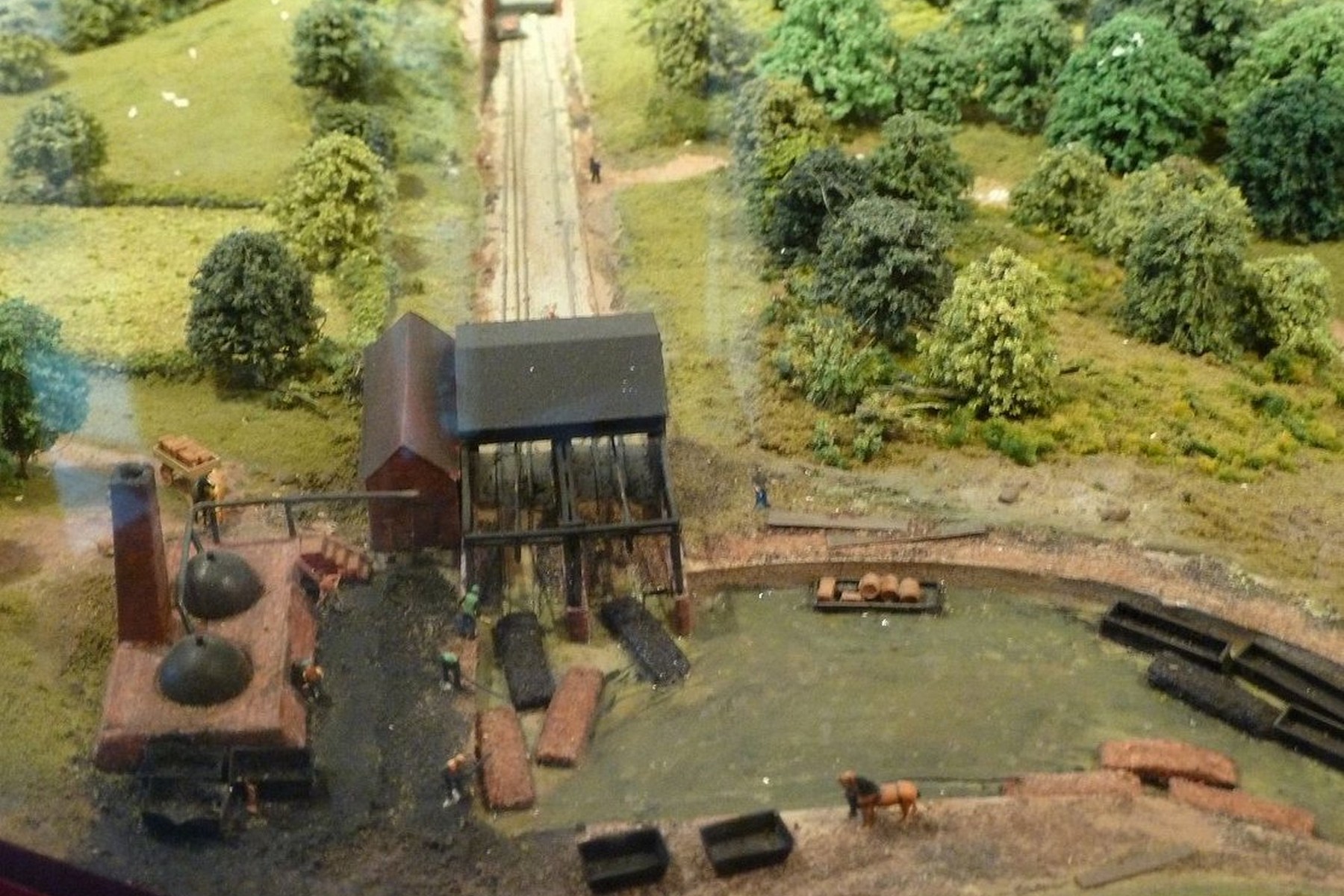
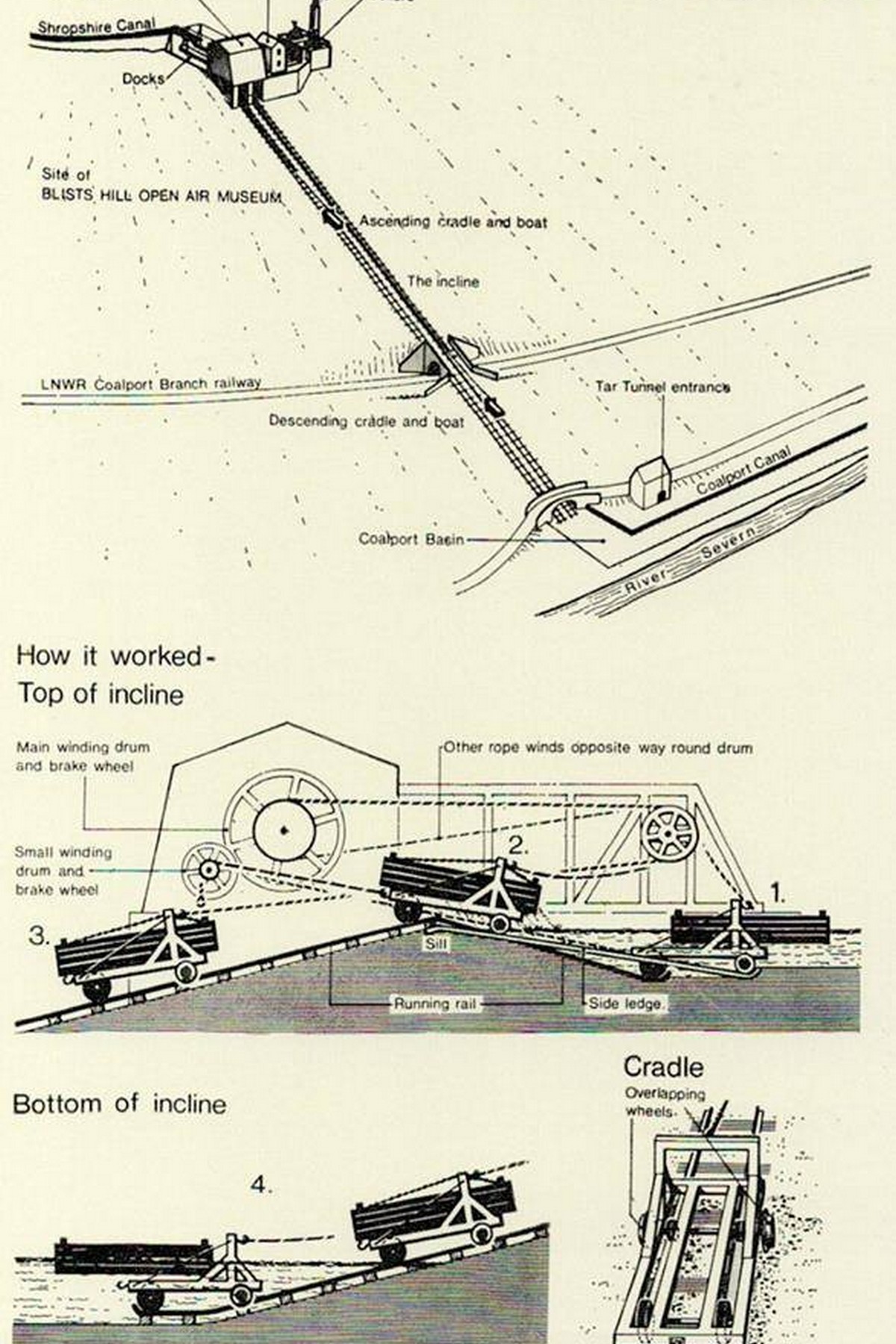
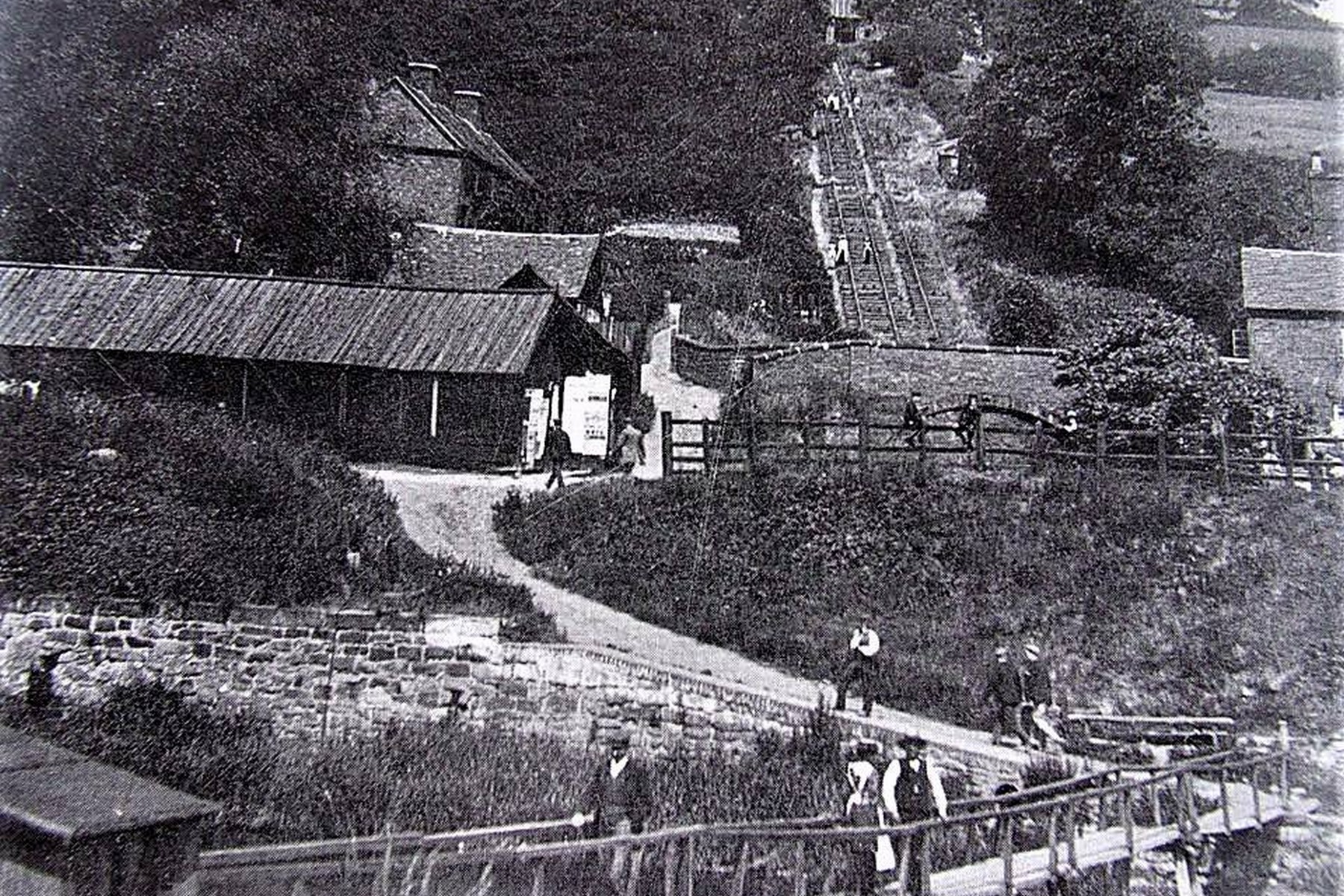
Perched above the River Severn, the Hay Inclined Plane remains one of Britain's finest feats of early industrial engineering. Completed in 1793, it connected the Shropshire Canal to the Coalport Canal — a vital link between the industries of Blists Hill and the River Severn far below.
The Race to Build the Incline
Engineers faced a daunting question — how to drop more than 200 feet from the plateau at Blists Hill down to the river. Several schemes were proposed including steep flights of locks and water-powered lifts, but the solution built by William Reynolds used twin iron rails and wheeled cradles, with steam power assisting the winding mechanism. Inclined-plane technology was already being pioneered on Shropshire’s canal network, and Henry Williams and James Loudon are associated with the design adopted by the canal proprietors. Built during the early 1790s, the Hay Inclined Plane was open to traffic by 1793.
Engineering Ingenuity
The incline was operated by just four men. Barges and narrowboats were transferred up and down a 1-in-4 gradient on wheeled cradles running along twin railway tracks. At its peak, the system could move up to six barges an hour — the equivalent of 27 traditional canal locks.
Shropshire tub boats were 20 feet long and carried five tons each. At the lower basin, rails disappeared beneath the water so the cradle could float under the boat. A winding drum and steam engine drew the cradle up, counterbalanced by an empty boat descending the opposite track. A small twin-cylinder rotative beam engine of Adam Heslop’s patented design assisted the winding mechanism.
Decline and Rediscovery
For nearly a century the incline carried coal, iron and clay — the lifeline of Coalport's china works, tile factories and iron foundries. By the late 1800s railways were taking over; the last recorded use was in 1894.
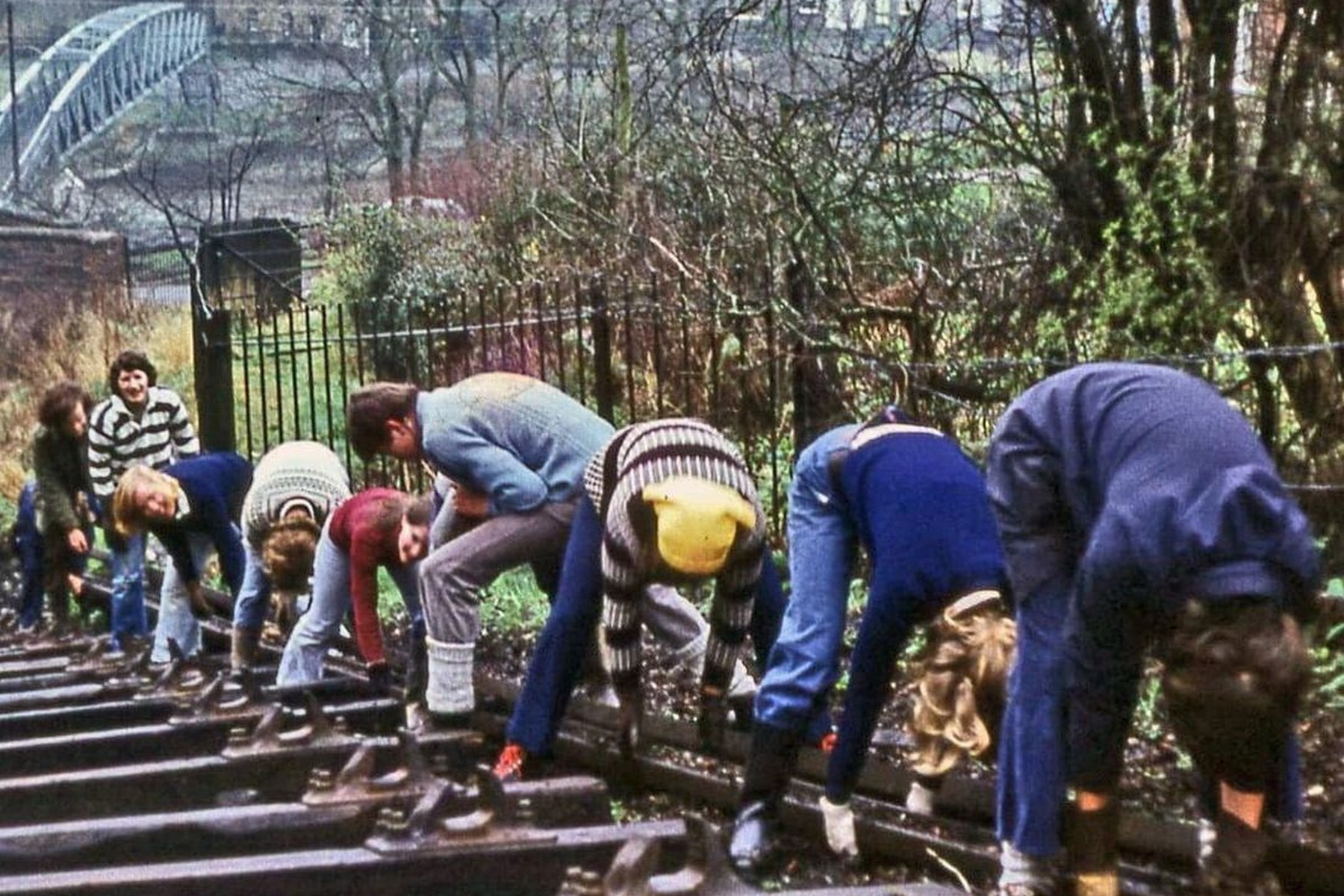
By the 1950s it was largely buried. In the 1960s and '70s volunteers and Venture Scouts helped uncover the line, laying new tracks. Restoration began in 1968, with further restoration in 1975, including reinstatement of the rails. The site is a Scheduled Monument and is Grade II listed.
Preserving the Past
The Ironbridge Gorge Museum Trust completed major conservation work funded through Arts Council England's MEND programme, announcing completion and the reopening of the Hay Inclined Plane in April 2025 — vegetation clearance, removal of self-seeded trees from the canal basin, graffiti cleaning, replacing failing concrete capping with turf, repairing the historic Winding House, clearing moss from sleepers, and installing new visitor steps and handrails.
"The genius of the Inclined Plane is that it took just four minutes to move tons of goods from the world's most advanced ironworks high up in Blists Hill down to the River Severn." — Volunteer guide Paul Green
More Gorge history
Read another story
Stay in the loop
More stories from the Gorge, straight to your inbox
A short weekly email with new history features, archive photographs and what's on across the Gorge.