Ironbridge
Waterloo Street
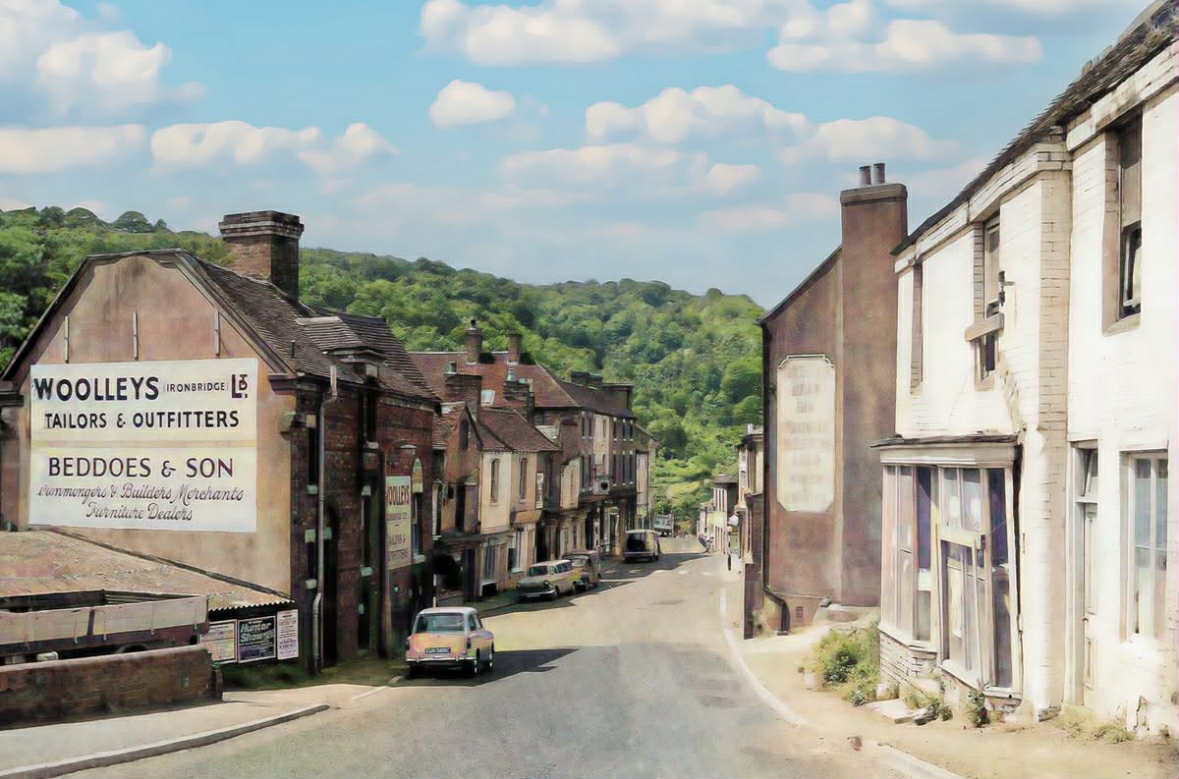
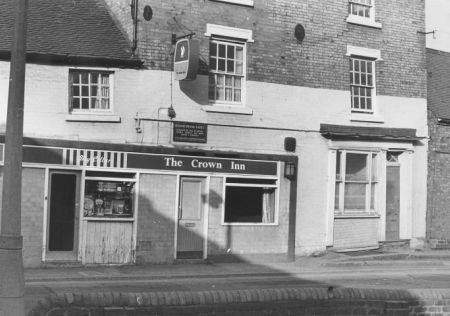
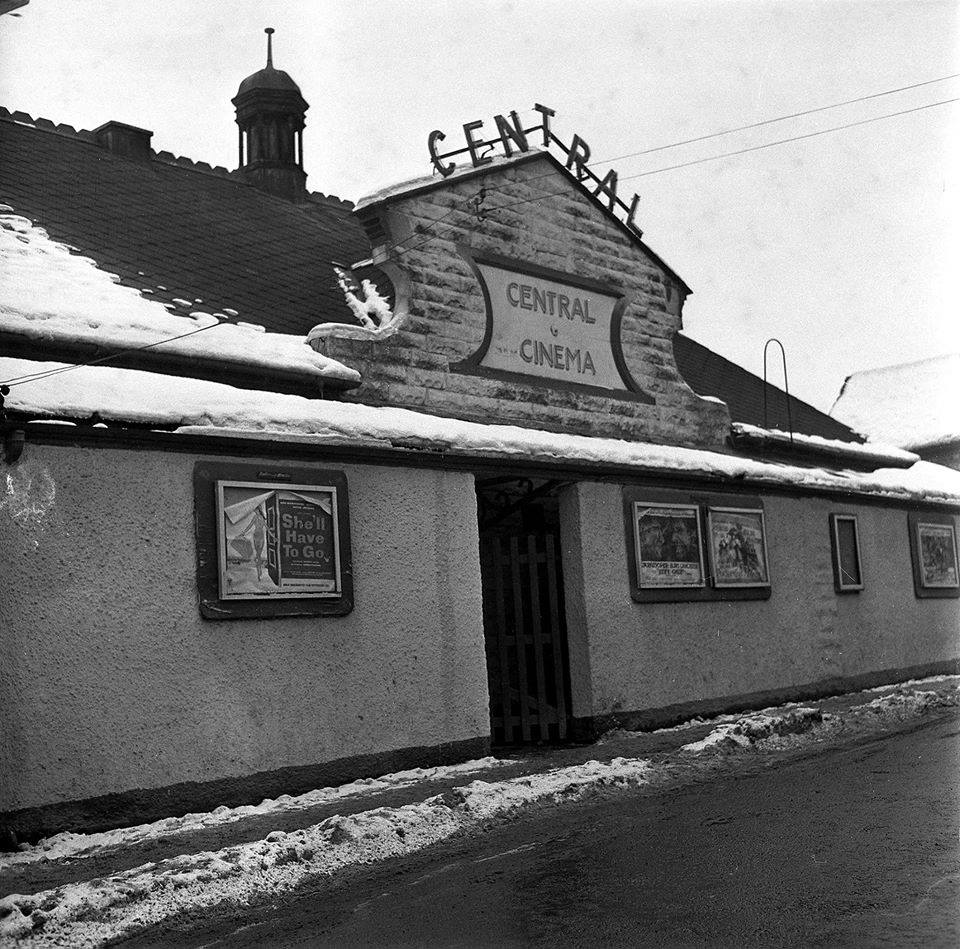
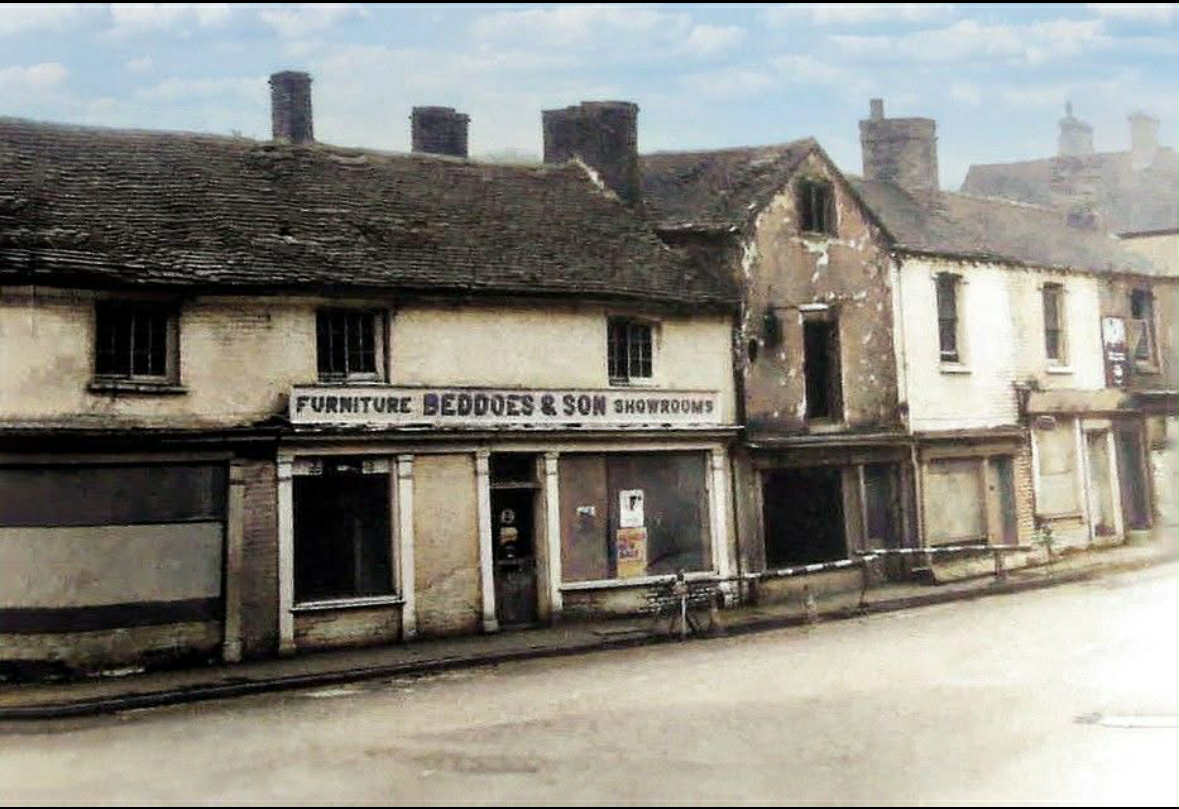
These photos trace the rise, decline, and transformation of one of Ironbridge's busiest streets.
1950s — A thriving row: Beddoes & Son warehouse, Woolley's with its painted wall sign, the Crown Inn and the Central Cinema. A bustling mix of shops, pubs, and people.
1960s — Decline set in. Shops closed, windows boarded, buildings falling into disrepair.
Late 1960s–1970 — Interim uses. Elcocks bus depot and tyre yards kept the street alive; coaches lined the street where shoppers once strolled.
1971 Report — The Turning Point
The Ironbridge '71 Development Corporation report spelled out Waterloo Street's fate. Problems identified:
- "Instability in land at Waterloo Street… downwards as far as Waterloo Street."
- "Dereliction of many buildings and associated environmental poverty."
- "Very bad junction between Madeley Road and Waterloo Street, resulting in traffic danger and confusion."
- "The unkempt and overgrown condition of the area between Waterloo Street and the river."
The report specifically named The Crown Inn and surrounding buildings: "They will have to give way to the new works, but they are in very bad condition and subject to the threat of land instability."
The shops weren't closed voluntarily — they were compulsorily purchased and demolished.
1975 — The Ironbridge Plan
Four years later, the Ironbridge '75 booklet formalised these ideas: reduce through-traffic, reclaim space for pedestrians, demolish unsafe buildings, landscape the slopes.
Aftermath
By the late 1970s, the Crown Inn, cinema and much of the row were gone. Waterloo Street was rebuilt with a new junction, car parks, and landscaped slopes. From pubs and cinemas to bulldozers and roundabouts — Waterloo Street's story shows how planning decisions reshaped Ironbridge in just a few short years.
More Gorge history
Read another story
Stay in the loop
More stories from the Gorge, straight to your inbox
A short weekly email with new history features, archive photographs and what's on across the Gorge.