Coalport
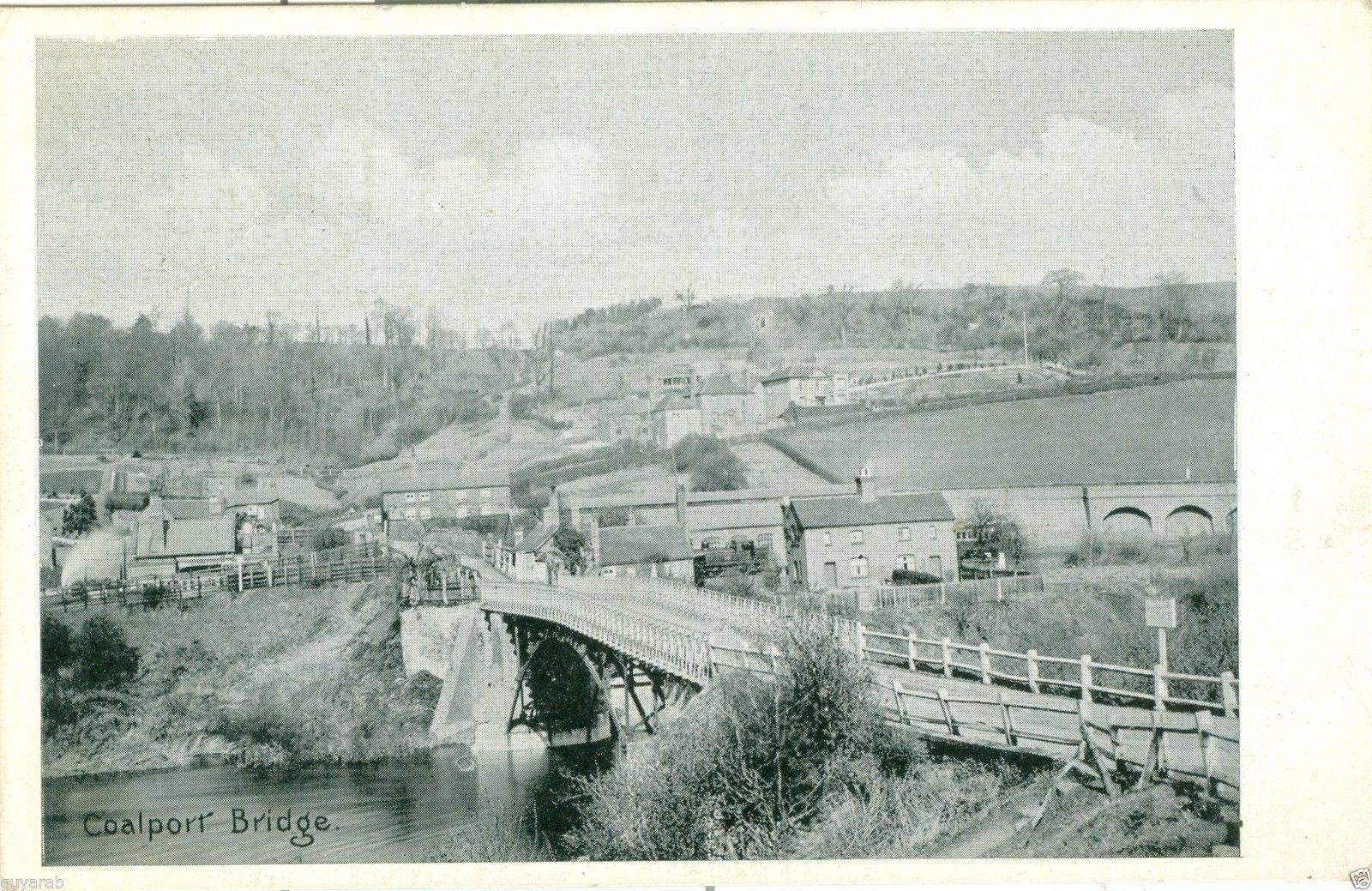
Coalport bridge and toll houses.
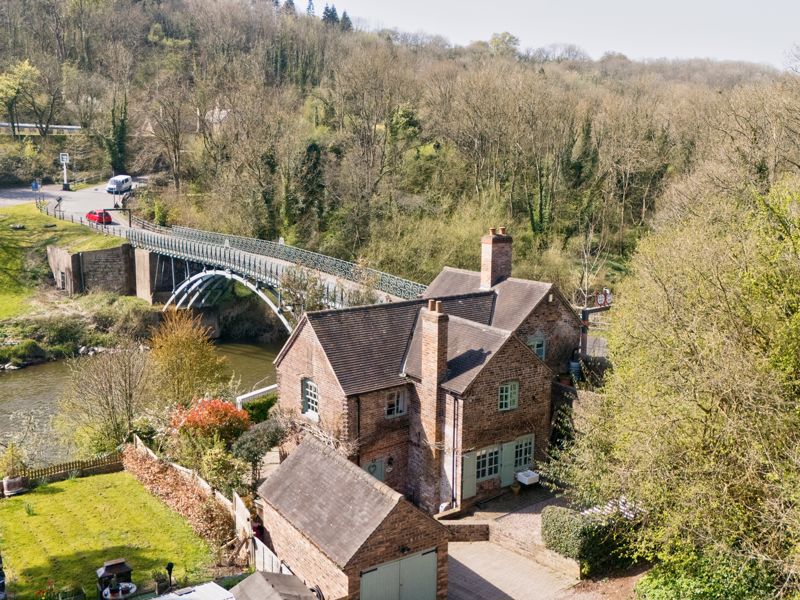
Coalport, set deep in the Ironbridge Gorge, has always been about crossings — turnpike roads, iron spans, and toll gates that took your money whether on foot, horseback, or hauling a wagonload of coal.
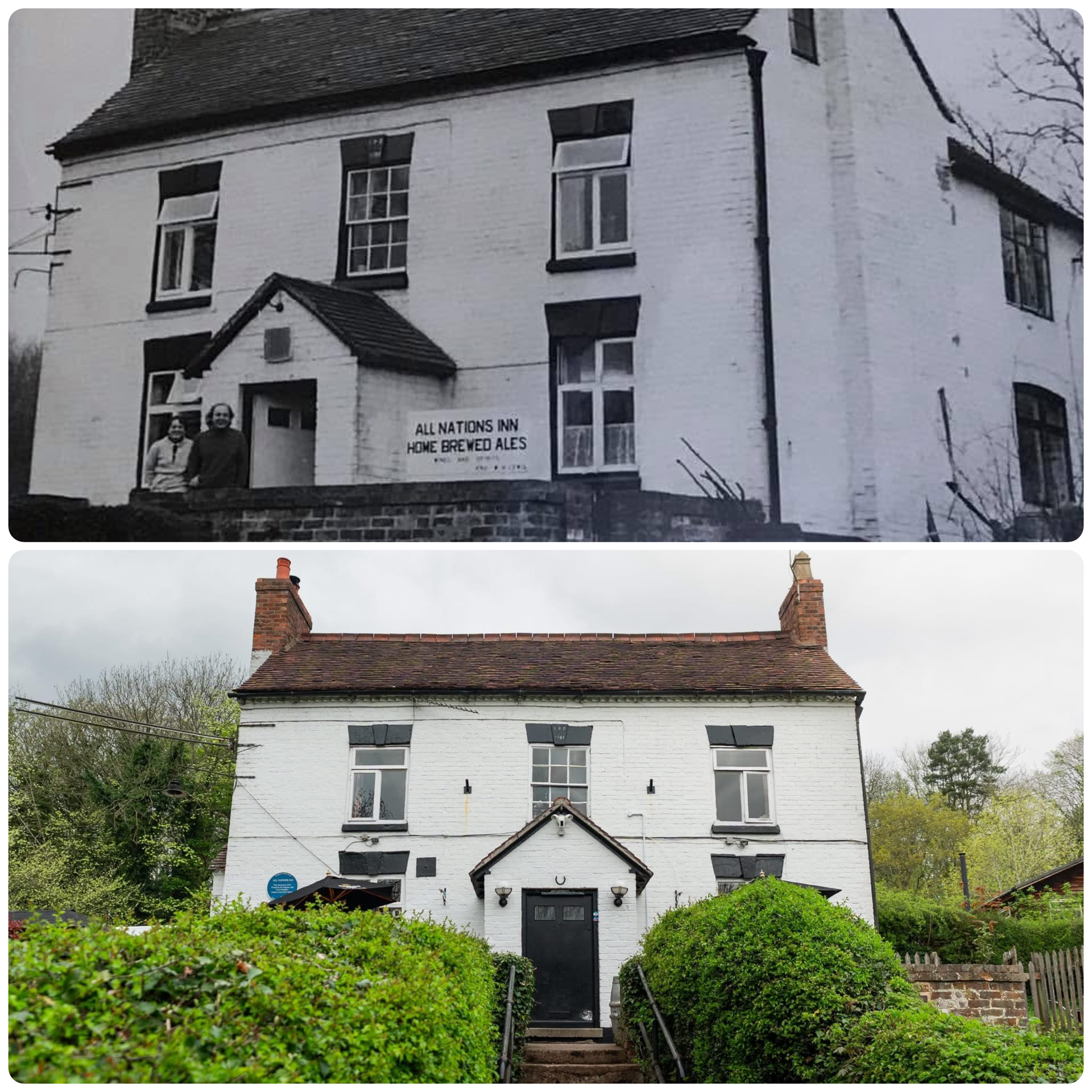
To this day, people mix up the two toll houses at Coalport. In truth, they had very different roles: one collected for the bridge, the other for the road.
The Wooden Coalport Bridge
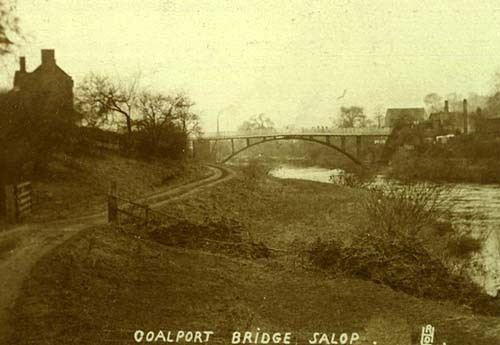
The first bridge at Preen's Eddy, later Coalport Bridge, was completed in 1780 under an Act of 1776. Coalport on the north bank was expanding rapidly, while Broseley and Jackfield had long-established collieries, potteries and ironworks. The first bridge was timber, funded by private subscription, designed by William Hayward and built by Robert Palmer, a Madeley timber merchant. During a flood in 1795 the middle pier was badly damaged; within twenty years it had to be replaced.
Rebuilt in Iron (1818)
In 1818, local ironmaster John Onions rebuilt the bridge entirely in cast iron, reusing the old abutments. His design stood nearly 200 years. Less celebrated than the Iron Bridge, the Coalport crossing was far more affordable and quickly became the preferred route for locals and industry.
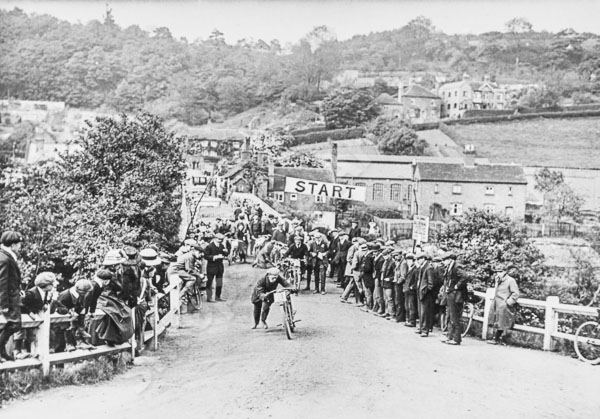
A Sporting Interlude (1911)
In May 1911 the Sutton Coldfield Automobile Club chose Coalport Hill for their annual hill climb. Six classes of cars and motorcycles competed.
The Coalport Bridge Toll House
Stood at the north end of the bridge. Began as a warehouse (1793–1808), in use as a house by 1815, and after the 1818 rebuild became the tollhouse and cottage. A two-storey rear extension was added c.1860. It remained in use until 1922, when tolls were abolished and the bridge passed to Shropshire County Council.
Census returns from 1841 to 1891 record occupants including schoolmaster, labourer, grocer, shoemaker, wheelwright and modeller in china. By the 1960s it was a shop run by Mrs Green. After near-dereliction the Buildings at Risk Trust restored it in 1994–96. Today it is Grade II listed (designated 2002).
The Turnpike Toll House (the "Old Toll House")
After crossing into Coalport, travellers met a turnpike gate — locals called it the "catchgate," because it "caught you" for another toll right after the bridge. Standard Shropshire rates applied: 1d for a horse and rider, 6d–1s for carts, ½d per packhorse, 5d per score for sheep or pigs. The building, with its distinctive spy holes, was saved from dereliction in the early 1970s by Mick Beers and his brother Wilson. Today it survives as a holiday let.
Strengthening and Weight Limits
- 1930s: limits of 8 tons and 5 mph
- 1961 & 1969: patch repairs by guniting
- 1983: first bridge in Britain fitted with electronic weighing pads
- 1989: outrage after a 32-ton lorry attempted to cross
- 2004–2005: £1 million strengthening and conservation project
The bridge remains a Scheduled Ancient Monument, carrying cars in single file under tight restrictions.
More Gorge history
Read another story
Stay in the loop
More stories from the Gorge, straight to your inbox
A short weekly email with new history features, archive photographs and what's on across the Gorge.